 Why I’d Put $40K Into Content Before Chasing the Next Big Idea
By Sean Beckingham
We recently had a cheesy breakfast casserole Reel generate 1,300 engagements, 354 shares and a 12.7% engagement rate.
Not exactly a revolutionary idea.
And that’s the point.
It worked because it was useful.
It gave people something they could actually make. The creator felt natural, the food looked good and the brand didn’t get in the way.
FYI : The number to pay attention to is the 354 shares.
View this post on Instagram
Here’s where the conversation gets interesting.
That breakfast casserole wasn’t a million-dollar creative idea. It was a simple recipe, made by the right creator, presented in a way people wanted to share.
But we couldn’t have guaranteed those results before posting it.
That’s the challenge for food brands. Everyone wants the next big idea, but sometimes the content that performs best is the simplest thing you produce.
So rather than putting all your creative dollars into one big campaign, why not build a programme that gives you more opportunities to find those winners?
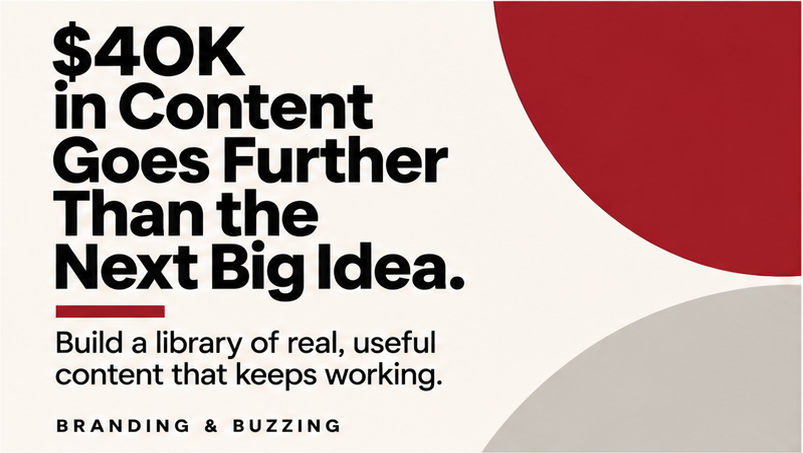
That’s where the $40,000 conversation begins.
People don’t share advertising very often. They share ideas.
One successful Reel doesn’t make a content strategy. But it does show what can happen when you give creators the opportunity to make content people actually want. The challenge is producing enough of those opportunities to discover what works.
Let’s say you’re a food brand with a $200,000 annual digital marketing budget.
We’re not suggesting you spend $40,000 on one video or a fancy production that takes six months to plan.
We’re talking about a working content library.
That could include:
- Recipe videos featuring your products in everyday meals.
- UGC creators showing how real people use your brand.
- Professional photography for campaigns, social and advertising.
- Seasonal content that keeps the brand relevant throughout the year.
- Short-form videos with different creative approaches, personalities and hooks.
And importantly, content you can reuse, edit, test and put paid media behind.
Not everything will be a winner. That’s expected.
But the more you learn about what your audience actually responds to, the smarter your next investment becomes.
The Big Idea Might Already Be in Your Content Library
That cheesy breakfast casserole is a good reminder that food marketing doesn’t always need to be complicated.
Sometimes a recipe people want to make is more valuable than a campaign people simply scroll past.
But you need the content, the creators and the testing to discover those opportunities.
That’s why I’d be comfortable putting $40,000 of a $200,000 digital budget into content creation.
Not because every post will work.
Because when something does work, you want to recognize it, build on it and have the budget and creative resources to take it further.
The goal isn’t to make more content just for the sake of posting. It’s to make better marketing decisions because of the content you’re creating.