
What Big Food Brands Actually Do Better Than Everyone Else
There’s a misconception in marketing that big food brands sit in boardrooms and “come up with ideas.”
They don’t.
At least not the good ones.
What they actually do is build systems where ideas get tested, refined, broken, and rebuilt until they work in the real world.
I’ve seen this firsthand working alongside brands like Club House for Chefs and Campbell’s Foodservice Canada.
These teams don’t guess flavour trends.
They engineer them.
And the people doing it aren’t marketers.
They’re chefs.
The Real Work Happens in the Test Kitchen
Corporate chefs are closer to scientists than creatives.
They:
Build hypotheses around flavour
Test in controlled environments
Adjust for scale, cost, and consistency
Test again
Then repeat that process over and over until something works for both flavour and operations.
That’s how something like Carolina Gold or hot honey doesn’t just become a trend—it becomes a product that actually works in a kitchen at scale.
Flavour Is Only Half the Job
Here’s the part most people miss.
It’s not enough for something to taste good.
It has to:
Work in a high-volume kitchen
Be easy to execute
Be repeatable by staff
Deliver margin
That’s where the best brands separate themselves.
They don’t just create flavours.
They create solutions.
The Shift Toward “Simple Wins”
One of the smartest things I’ve seen recently is how brands are simplifying how they present innovation.
A great example is Club House for Chefs’ approach to flavour builds like:
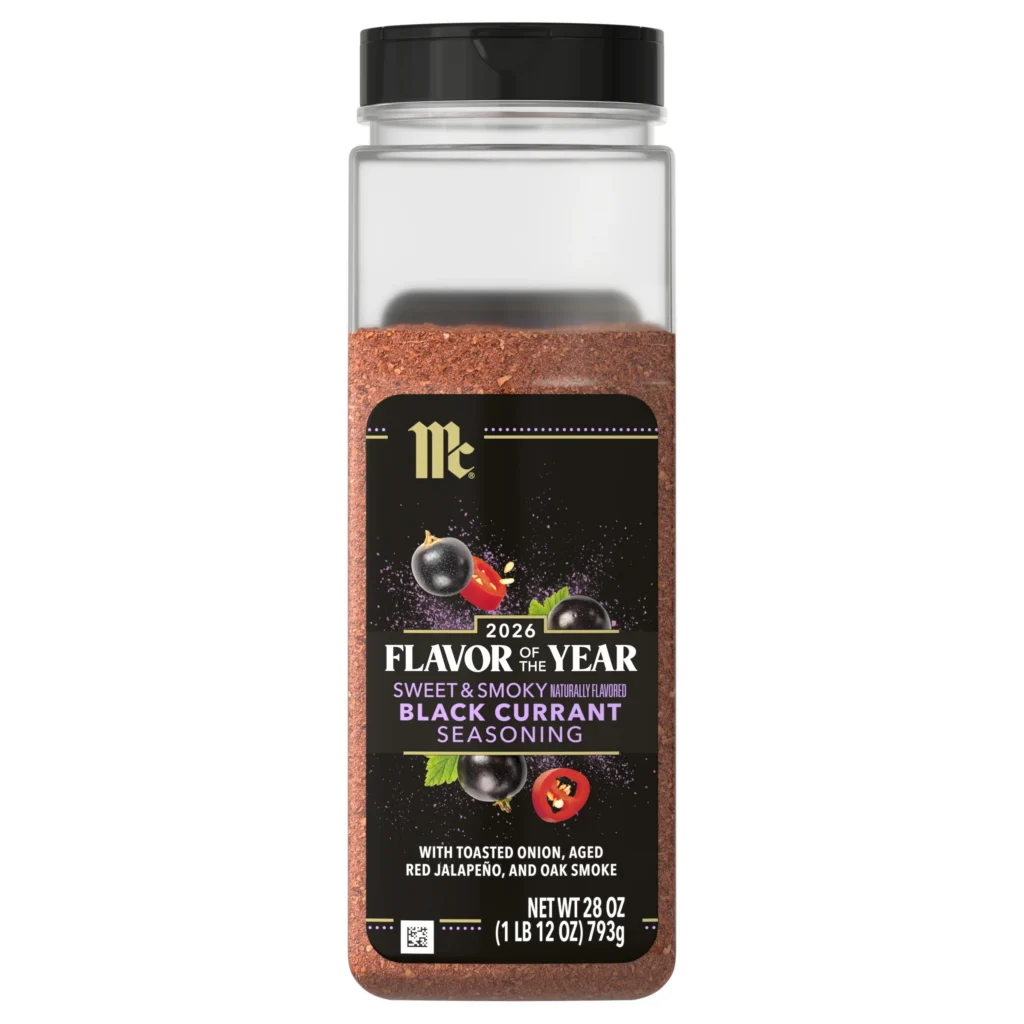
Product: Black Currant Season
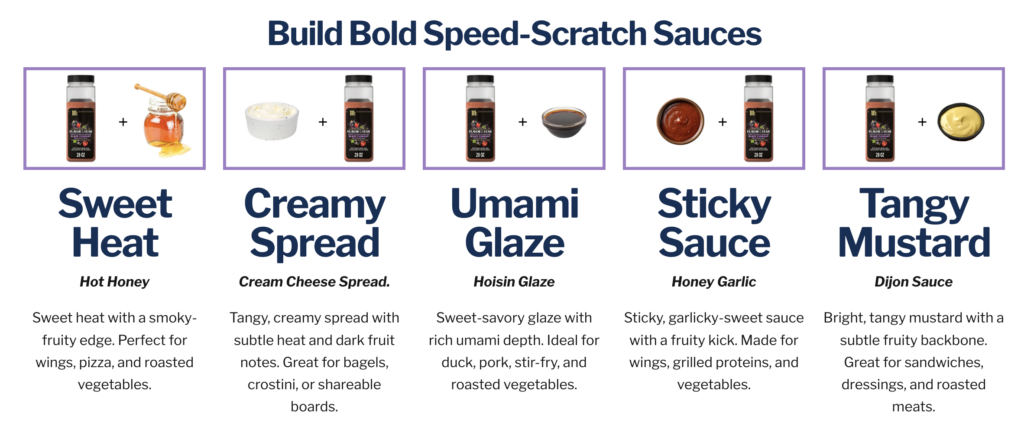
Flavour Solutions
These aren’t complicated culinary ideas.
They’re clear, usable tools.
Yes, chefs can go deep and build complex dishes—but most operators don’t need that.
They need something that works on a Tuesday lunch rush.
Operators Want Two Things (At the Same Time)
Here’s the tension:
Operators say they want solutions.
But they also want to make something their own.
And the brands that win understand that balance.
A perfect example is what we’ve seen with wing concepts.
Places like AllStar Wings in Toronto have built massive menus—50+ flavours—off of simple base systems provided by suppliers.
The supplier provides the foundation.
The operator builds identity on top of it.
View this post on Instagram
That’s the sweet spot.
What This Means for Marketing
If you’re marketing in foodservice, this matters.
Because your job isn’t just to sell a product.
Your job is to show:
How it works
How it scales
How it can be adapted
How it makes operators money
The best content doesn’t just say “this tastes good.”
It shows how it performs in a real kitchen.
Final Thought
The brands that win in foodservice aren’t chasing trends.
They’re building frameworks for flavour.
They test.
They simplify.
They scale.